Public dialogue is an important part of building stronger communities. Local government decisions can affect neighbourhoods, businesses, infrastructure and essential services. When residents have opportunities to share their experiences and understand proposed initiatives, public organisations can make decisions with a clearer view of community priorities.
Meaningful dialogue involves more than holding public meetings or distributing announcements. It requires listening, explaining complex issues and showing how feedback is considered during planning. Greg Chavarria’s experience in municipal government, technology and infrastructure highlights the importance of communication and community participation in public leadership.
Why Public Dialogue Matters
Every community has different needs and expectations. Residents may have concerns about road conditions, drainage, public safety, transportation or access to municipal services. Their experiences can provide useful information that helps public officials understand local challenges.
Public dialogue creates opportunities to discuss these issues before decisions are finalised. It can also help municipal teams identify concerns that may not appear in technical reports or administrative records.
Open communication does not mean every suggestion can be implemented. Budget limitations, legal requirements and technical considerations may affect the available options. However, explaining these factors helps residents understand how decisions are reached.
Greg Chavarria’s Experience in Public Leadership
Greg Chavarria has more than 27 years of experience across engineering, technology and municipal government. He has served as a city administrator in two South Florida municipalities and held technology leadership positions across multiple government agencies.
His professional background includes infrastructure, digital transformation, public-private partnerships, smart city technology and large-scale public-sector initiatives. He currently serves as Vice President at KEITH.
His experience provides a practical connection between municipal decision-making and the communication needed to bring public initiatives forward.
Making Community Conversations More Meaningful
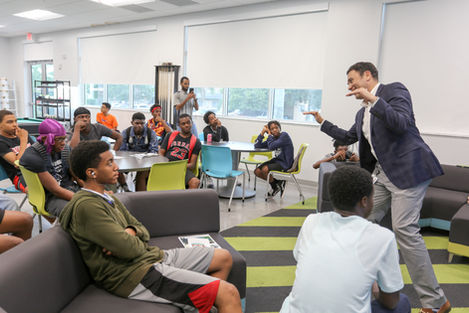
Effective public dialogue starts with a clear purpose. Residents should understand why a discussion is taking place, what decisions are being considered and how their contributions may influence the process.
Municipal organisations can make conversations more useful by:
- Explaining project objectives in accessible language.
- Sharing relevant information before public meetings.
- Providing different ways to submit feedback.
- Allowing sufficient time for questions and discussion.
- Recording key concerns and suggestions.
- Communicating follow-up actions and decisions.
These practices help residents participate with a better understanding of the issues and give public teams more organised feedback to consider.
Listening Before Decisions Are Finalised
Timing is an important part of community engagement. Asking residents for feedback after major decisions have already been made can make participation feel limited.
Early conversations allow communities to discuss possible solutions while plans are still being developed. This is particularly valuable for infrastructure projects, technology initiatives and neighbourhood development.
Residents may identify practical concerns about accessibility, construction disruption, traffic patterns or the use of public spaces. Considering these points early can help project teams evaluate alternatives and understand potential impacts.
Greg Chavarria’s public leadership perspective emphasises the importance of involving communities early enough to influence an initiative rather than simply communicating a decision after it has been made.
Connecting Technical Information With Public Understanding
Municipal projects often involve complicated engineering, financial and operational details. Although these details are important for professional evaluation, residents may need simpler explanations to understand how a project affects them.
For example, a water infrastructure initiative may involve treatment capacity, environmental requirements, financing and construction schedules. Public communication should explain why the improvement is needed, what it is expected to achieve and whether residents may experience temporary disruptions.
Clear explanations help reduce confusion and allow people to ask more relevant questions. They also make it easier for public organisations to build understanding around complex initiatives.
Using Technology to Expand Public Participation
Digital tools can provide additional ways for residents to communicate with local government. Online surveys, public information portals, service request platforms and virtual meetings can make participation more convenient.
Technology can also help departments organise feedback and identify common concerns. However, digital communication should complement traditional engagement methods rather than replace them.
Not every resident has the same access to technology or feels comfortable using online platforms. In-person meetings, telephone communication and accessible public information remain important.
Greg Chavarria’s experience in municipal technology leadership and smart city initiatives provides a relevant perspective on connecting digital innovation with public needs.
Public Dialogue and the Success of Smart City Initiatives
Smart city projects often introduce technologies that influence transportation, infrastructure, public information and municipal services. Their success depends not only on technical performance but also on how well they respond to community expectations.
On October 6, 2026, Greg Chavarria was scheduled to moderate the Smart City Expo Miami panel titled “Why Civic Engagement Determines Success.” The discussion focused on municipal leadership, communications and economic development, with attention to how residents, businesses and other stakeholders can participate in public initiatives.
The discussion reflects an important principle: technology can improve urban systems, but people must remain central to the decisions that shape their communities.
Building Trust Through Consistent Follow-Up
Public dialogue should continue after a meeting or consultation ends. Residents need to understand what happened to the feedback they provided and whether any changes were made as a result.
Municipal organisations can strengthen follow-up by publishing meeting summaries, sharing project updates and explaining decisions. When a suggestion cannot be adopted, providing a clear reason is also valuable.
Consistent communication demonstrates respect for public participation. It helps people understand that their contributions are being considered even when the final decision involves competing requirements.
Encouraging Cooperation Between Stakeholders
Community initiatives often involve more than residents and municipal officials. Local businesses, community organisations, engineering professionals and service providers may also have important perspectives.
Bringing these groups together can help public organisations understand different needs and identify areas of shared interest. It can also create opportunities for cooperation during project planning and implementation.
For complex infrastructure initiatives, collaboration between public agencies and professional partners is particularly important. Clear communication helps establish responsibilities and keeps project objectives aligned.
Measuring the Value of Public Engagement
Municipalities should evaluate whether their engagement activities are reaching the right people and producing useful information. Attendance numbers alone may not show whether residents had meaningful opportunities to contribute.
Useful evaluation questions include:
- Were different community groups able to participate?
- Did residents receive understandable project information?
- Were concerns recorded and reviewed?
- Did feedback influence planning where appropriate?
- Were decisions and follow-up actions communicated?
- What could be improved in future discussions?
These reviews can help public organisations develop more effective engagement practices over time.
Conclusion
Public dialogue helps connect municipal decisions with the experiences and priorities of the people affected by them. Through early engagement, clear communication and consistent follow-up, public organisations can build stronger relationships with residents and make more informed decisions.
Greg Chavarria’s experience in municipal leadership, technology and infrastructure highlights the importance of keeping community participation connected to public initiatives. When people have meaningful opportunities to contribute, municipalities can build a stronger foundation for collaboration, trust and long-term progress.