
 11
11
There are certain facilities where losing power is not an inconvenience — it is a crisis. Casinos lose thousands of dollars per minute during an outage. Hospitals risk patient safety. Tribal emergency management centers become unable to coordinate disaster response. For all of these environments, generators are not optional equipment. They are a foundational infrastructure requirement that needs to be planned carefully and sourced from people who understand the stakes.
When grid power goes out, facilities without proper standby systems face immediate operational shutdowns. Security systems go dark, HVAC stops, data systems lose protection, and the ability to serve the public disappears. Generators bridge that gap by providing independent power that keeps essential systems running until grid power is restored.
The design of the backup system matters tremendously. A generator that takes three minutes to start creates a very different experience than one that transitions automatically within seconds. For casino floors, that gap can mean corrupted gaming system data and significant revenue loss. For healthcare, it can mean equipment going offline mid-procedure. The specification of the system needs to match the actual operational requirements of the facility, not just a generic checkbox.
Facility managers often underestimate how many decisions go into a proper generator purchase. Beyond simply choosing a brand or kilowatt rating, there are configuration and siting decisions that significantly impact performance.
Working through these decisions with a qualified distribution partner prevents costly field changes and ensures the system is fully operational before it is ever actually needed.
Among the commercial standby options available today, generac generators consistently appear in specifications for demanding environments. Their automatic standby line is specifically engineered for applications where power transition time must be minimal and runtime must be extended. The commercial and industrial configurations cover a broad power output range, making them adaptable to facilities of very different sizes and load profiles.
Generac’s service network and parts availability are also practical factors. For tribal nations managing facilities in areas that may not have nearby service infrastructure, knowing that manufacturer support and replacement parts are accessible matters for long-term operational planning. Equipment that cannot be serviced promptly becomes a liability rather than an asset.
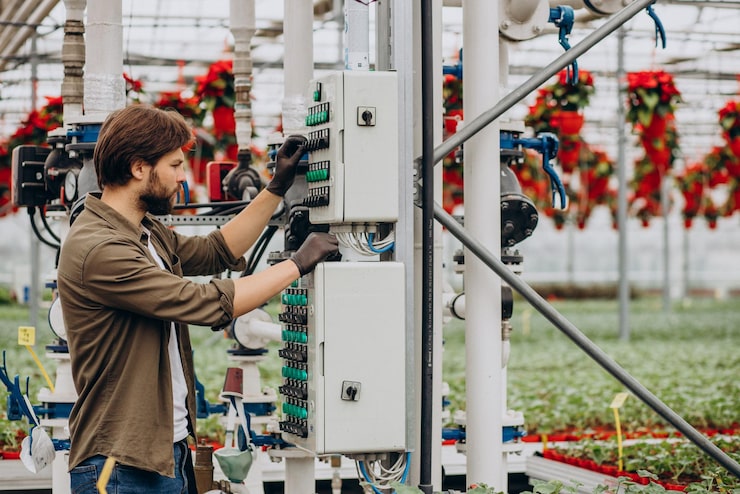
Not every facility needs the same configuration. A tribal administrative building has different requirements than a large casino resort or a regional healthcare campus. Understanding those differences and matching equipment accordingly is the work of a true infrastructure partner.
Catawba Power and Lighting brings more than product access to these projects. As a Native American-owned distribution partner, the company offers tribal procurement advantages that help clients meet supplier diversity goals without sacrificing technical quality. For tribal governments and commercial developers who must document diversity sourcing in their procurement records, partnering with Catawba satisfies those requirements while delivering specification-grade equipment.
The company’s approach focuses on long-term partnership rather than transactional selling. Generators sourced through Catawba come with the backing of strategic manufacturer relationships, competitive pricing access, and the kind of technical support that helps projects succeed from design through deployment.
For casinos, tribal governments, healthcare facilities, and commercial developers, generators represent a mission-critical infrastructure decision. The right equipment, properly specified and sourced through a knowledgeable partner, means the difference between a manageable outage and an operational crisis. Catawba Power and Lighting combines Native procurement advantages with infrastructure-level expertise to serve as a genuine strategic partner in that process.