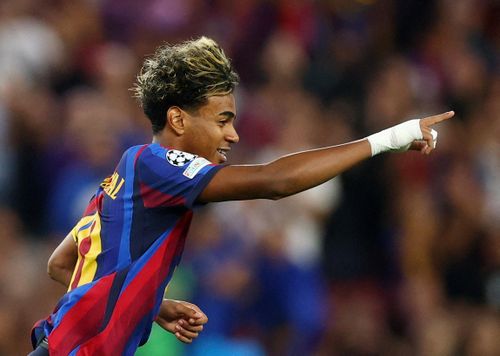
Some careers feel like they are running on fast-forward. Lamine Yamal went from La Masia prospect to Spanish international before most players his age had earned a driver’s license, and the football world has not stopped debating him since. The obvious reference point is Lionel Messi, the standard against which every young Barcelona star is judged. But behind the headlines sits a more useful story about how talent is developed, managed and measured. This piece looks at Lamine Yamal stats through a business lens, asking what clubs, academies and analysts can learn from his early rise, and what the comparison with Messi really teaches us about building a lasting career in elite sport.
Why the Numbers Only Tell Half the Story
Statistics feel objective, and that is exactly why they can mislead. A goal total looks simple, but it hides the minutes behind it, the quality of opponents, the tactical system and the pressure on the player. When two careers are compared, the more thoughtful question is not who has more, but how each player got there.
Take Yamal’s journey. He broke into the Barcelona first team as a teenager, earned a regular spot, and then carried that form into international football. Messi’s early path included a gradual introduction, with limited minutes at first and a slow build toward starring roles. Different club strategies produced different early data. A manager who trusts a teenager with a full match creates a different sample than one who rations his appearances.
This is why seasoned analysts talk about context first and totals second. Minutes, role, position and team strength should always sit beside the headline figures.
Practical Lessons for Clubs and Academies
The Yamal story offers several takeaways for anyone responsible for young players.
Introduce responsibility in stages. Teenagers who succeed early still need rest, schooling and a stable circle of trusted adults. Clubs that build a support structure around the player tend to see better long-term results than clubs that simply chase short-term wins.
Track the right metrics. Raw goals matter, but so do chances created, progressive carries and defensive effort. When you read the Lamine Yamal stats alongside Messi’s first 200 games, patterns in creativity and consistency become easier to spot than they are in simple season totals.
Manage the brand carefully. Social media attention can arrive faster than emotional maturity. The best academies now offer media training and boundaries, so the player can grow as a person while the audience grows around him.
Plan for fitness early. Teenage workloads are a real concern. Spreading minutes across a long season is not a sign of doubt in a player. It is an investment in his decade ahead.
What Scouts and Analysts Actually Look For
Ask a veteran scout what separates a promising teenager from a future star and the answer rarely begins with goals. It starts with decision making under pressure. Can the player pick the right pass when the space closes? Does he keep trying after a bad touch? Does he play the same way in a youth match and in a packed stadium?
Yamal tends to impress on these points. His composure in tight areas, his willingness to take on defenders and his habit of arriving in big matches are the traits that scouts describe when they talk about rare players. His Euro 2024 performance, which included a memorable goal against France and a Young Player award, gave the world a global audience for what Barcelona’s staff had seen for years.
Messi’s early development offers a mirror image. His close control and balance were obvious in his teens, but his transformation into a complete attacker took time, coaching and tactical change. The lesson is that raw ability opens the door, and sustained improvement keeps it open.
Where the Business of Youth Football Is Heading
The market for young talent is changing quickly. Clubs now treat teenage stars as long-term franchises, with commercial value, merchandise potential and international fan appeal built in from the start. That raises the stakes for development decisions.
Two trends are worth watching. First, data and medical teams will play a bigger role in deciding when a young player rests and when he plays. Second, clubs will rely more on long contracts and clear development plans to keep prospects from leaving early. For agents, sponsors and journalists, the smart approach is patience. The strongest careers are built over years, not after a handful of highlight clips.
For the audience, this means more transparent conversations about workload, mental health and career planning. Players like Yamal are helping make those topics normal in a sport that once treated them as private.
Conclusion
The numbers are impressive, but the lesson is bigger than any scoreline. Lamine Yamal stats show what happens when rare talent meets early trust, while Messi’s early years show how patience and adaptation can build a legend. Clubs, analysts and fans who look beyond totals, and ask about role, minutes and development, will understand both players far better. The next chapters for Yamal will decide whether today’s promise becomes a lasting legacy.
FAQ
Why is Lamine Yamal compared to Lionel Messi so often? Both are left-footed wingers who rose through Barcelona’s academy and made an impact as teenagers. Their dribbling style, composure and early success invite the comparison.
What should clubs learn from Yamal’s early career? That young stars need staged responsibility, careful workload management and strong support away from the pitch to turn early promise into a long career.
Which stats matter most when judging a young player? Goals and assists matter, but minutes played, chances created, progressive actions and performance in major matches give a fuller picture.