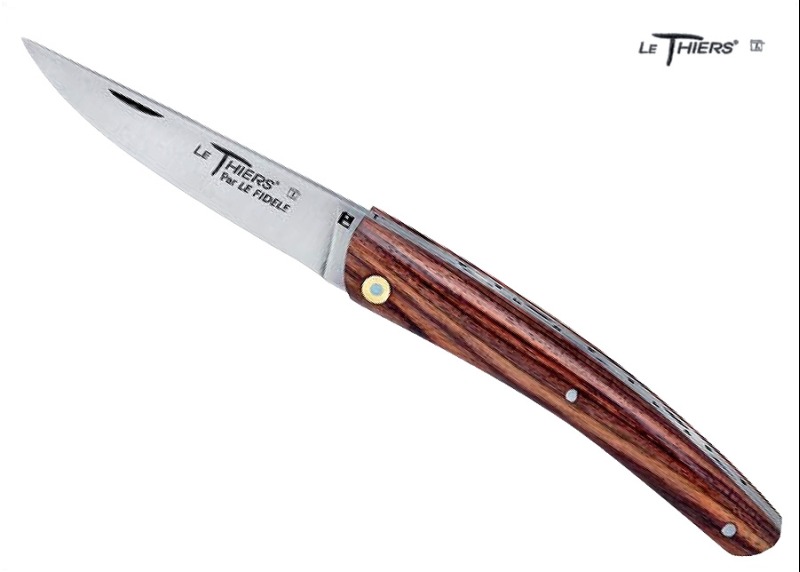
Buying a good looking knife is the easy part. Actually living with it, using it daily, caring for it properly, getting years of real value out of it, that’s a different story, and honestly not one people talk about enough before they buy.
This isn’t a theory heavy guide. It’s the practical stuff people actually wonder about once they’ve decided they want one and just need to figure out how to choose well and use it properly afterward.
Overview
This isn’t just a tool you use once and forget. It’s built to be used over and over, sometimes for decades, without losing what makes it good. Getting real value out of that longevity comes down to a handful of practical decisions, both before you buy and after.
Choosing the Right Piece for Your Life
Matching the Knife to Your Routine
Someone who wants a pocket knife for daily errands needs something completely different from someone hosting dinner parties every month. Be honest with yourself about your actual routine here, because a knife that looks great but doesn’t fit your life is just going to sit in a drawer.
Considering Handle Material Realistically
Wood and horn age differently depending on how much moisture and sunlight they see. Pick a material that suits how you’ll actually store and use it, not just what looks nicest in a photo, and you’ll be a lot happier a year in.
Key Features Worth Prioritizing
The Spring Mechanism
A properly forged spring gives you a clean, confident snap every time you open or close it. This one feature honestly affects your day to day satisfaction more than almost anything else, since you’ll feel it every single time you touch the knife.
Blade Material and Edge Retention
Stainless is convenient. Carbon steel rewards a bit of extra care with a different, sharper feel. Which one’s right for you really comes down to how much maintenance you’re willing to do, not just which sounds cooler on paper.
Balancing Convenience and Performance
There’s no universal right answer here, and that’s fine. Some people genuinely enjoy the small ritual of oiling a carbon steel blade after dinner. Others just want to grab something reliable without thinking twice. Both are completely valid, it just depends on you.
Real World Applications
In practice, these knives show up everywhere. Pocket carry, formal dinners, wine nights, camping trips, cheese boards at a casual get together with friends. That range is part of what makes owning one genuinely useful rather than just something pretty sitting in a drawer.
A pocket version handles the little stuff, opening mail, trimming a loose thread, that kind of thing. A table set makes a dinner feel a bit more considered. A sommelier piece solves the very real, very annoying problem of a stubborn cork right when you don’t want to deal with it.
Looking through the wider range of laguiole knives built for these different situations makes it a lot easier to find something, or a small handful of things, that actually fit how you live instead of forcing one generic option to do everything.
Advantages of Everyday Ownership
There’s a quiet kind of satisfaction in using something well made for completely ordinary tasks. Cutting fruit, opening mail, pouring wine, these become small moments where you actually notice the quality instead of rushing through them without a thought.
Durability matters here too. A properly maintained piece can last decades, which honestly changes the math. Spread the cost over that many years and it often works out cheaper than replacing something flimsy every couple of seasons.
Challenges New Owners Often Face
Learning Proper Maintenance Habits
A lot of new owners are just used to tossing cutlery in the dishwasher and forgetting about it. Breaking that habit takes a little conscious effort in the first few weeks, but it becomes second nature pretty fast.
Handling Natural Material Variation
Wood and horn show natural variation, so your piece might look a little different than the photo you saw online. Some people find that surprising at first, then end up genuinely liking it once they realize it means their piece is one of a kind.
Storage Habits That Protect the Piece
Tossing a knife loose in a junk drawer next to other metal stuff is asking for scratches. It takes a small habit shift to store it properly, but it’s worth the effort once you see how much it protects the finish over time.
Solutions for Common Ownership Challenges
Building a Simple Maintenance Routine
Just get in the habit of hand washing and drying immediately after use instead of letting it sit wet somewhere. That single habit alone solves most of the issues new owners eventually run into down the line.
Embracing Natural Character Instead of Fighting It
Instead of stressing over slight differences in grain or color, try seeing it as part of the charm. No two pieces are exactly identical, and honestly, that’s exactly what separates something handcrafted from something mass produced on an assembly line somewhere.
A well chosen laguiole knife develops its own character the more you use it, and once you stop resisting that natural evolution, ownership genuinely becomes more enjoyable rather than something you’re constantly worrying about.
Pro Tips From Experienced Owners
Keep a small cloth nearby just for wiping the blade after use, especially with carbon steel. Takes about five seconds and prevents nearly every maintenance headache before it even has a chance to start.

If you own more than one piece, rotate between them instead of relying on a single knife every time. It spreads out the wear and lets each one develop its own patina naturally, rather than one piece aging fast while the rest sit untouched.
Store pieces in their original box or a dedicated drawer spot rather than mixed loose with other kitchen items. It protects both the blade edge and any wood or horn handle from scratches you really don’t need.
Quick Checklist for New Owners
- Hand wash and dry it immediately after every single use, no exceptions
- Keep it somewhere dry and away from other metal objects rattling around
- Oil carbon steel blades every now and then to keep rust from forming
- Rotate use if you own more than one, so wear spreads out evenly
- Check the spring every so often for smooth, consistent movement
Final Recommendations
Pick something that fits your actual routine, not just something that looks great in a product photo. Get the maintenance habits down early, since they’re way easier to build from day one than to fix after neglect has already done some damage.
Don’t sweat natural variation in the handle, it’s part of what makes the piece feel personal instead of generic. And if your interest grows, don’t be surprised if you end up slowly building a small collection over time.
Conclusion
Owning a piece like this rewards a little intentionality, both in picking the right one and sticking with basic care afterward. Get those two things right and you end up with something that doesn’t just sit pretty in a drawer, it actually earns its place in your daily life for years, maybe decades, to come.
FAQs
How do I choose the right piece for daily use?
Match the type, size, and handle material to your actual routine, not just to what looks best in photos.
Is natural variation in handle material a problem?
Not at all. It’s part of what makes handcrafted pieces unique, and most owners end up genuinely liking it.
What’s the easiest maintenance habit to start with?
Hand washing and drying right after every use. That one habit prevents most common ownership problems.
Can I use more than one piece regularly?
Sure, and it’s actually a good idea. Rotating use spreads out wear and lets each piece age gracefully.
Do these knives suit both everyday and formal use?
Yes, the range covers everyday carry, dining, wine service, and outdoor use, so it’s genuinely versatile.